In today’s world of content creation, video calls, and social media, one thing is crystal clear: lighting is everything. As a professional photographer with over a decade of experience, I’ve seen firsthand how the right light can transform a simple shot into a stunning masterpiece. That’s why I’m here to talk about a game-changer for creators at every level: the Neewer Ring Light. This affordable yet powerful tool has become a staple in studios, home offices, and makeup vanities around the globe, and for good reason. It’s the secret to that professional, shadow-free illumination that makes you and your subjects look your absolute best.
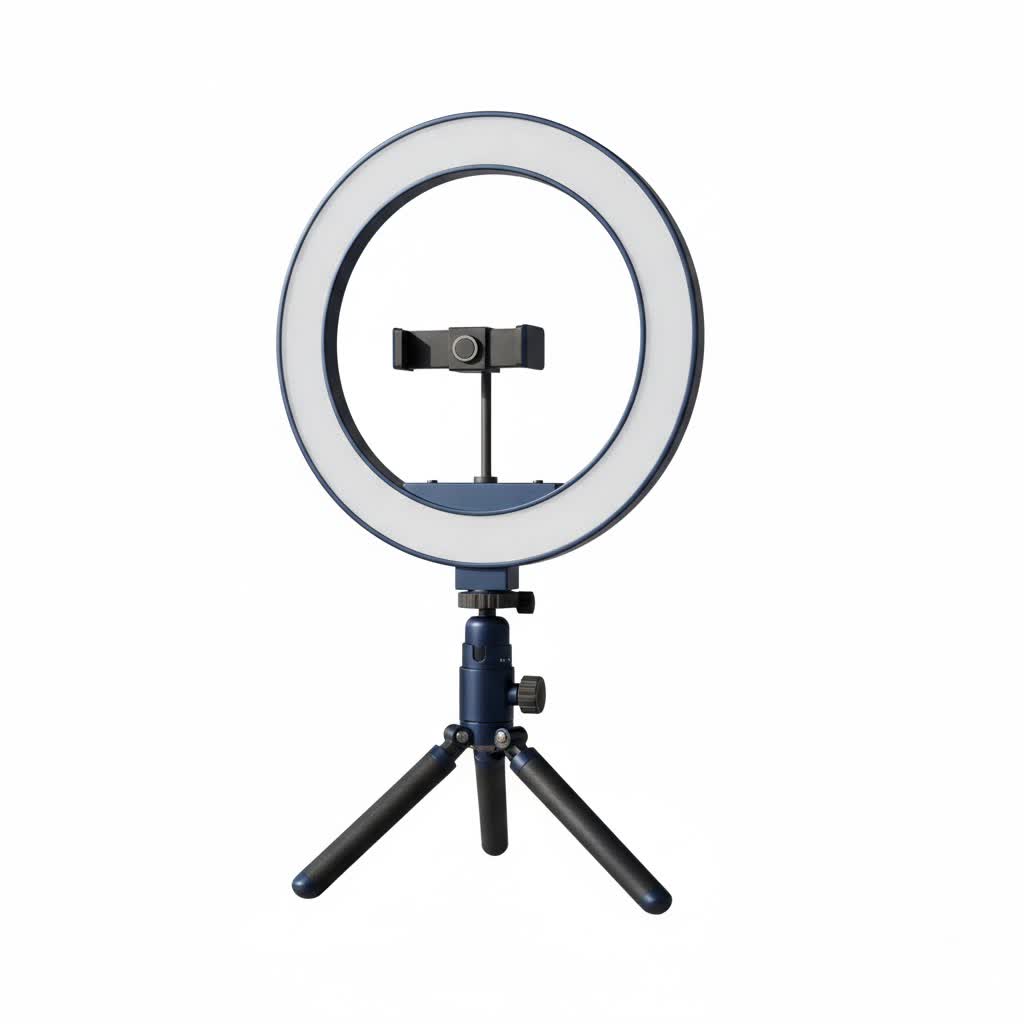
Whether you’re a budding YouTuber, a TikTok sensation, a makeup artist, or a professional working from home, this guide will walk you through everything you need to know. We’ll cover how to choose the right model, set it up in minutes, and use it to create lighting that truly captivates.
Why Choose a Neewer Ring Light?
Before we dive into the technical details, let’s talk about why Neewer has earned such a loyal following. The brand excels at hitting the sweet spot between quality, affordability, and ease of use.
For beginners, a Neewer ring light kit is often the first major step up from relying on a sunny window. It’s an all-in-one solution that provides consistent, flattering light without the complexity of a multi-light professional setup. For seasoned pros, it’s a reliable and portable tool for on-the-go shoots or a fantastic fill light in a larger studio arrangement. They are designed to be intuitive, making professional-looking results accessible to everyone.
Unboxing and Assembling Your Neewer Ring Light: A Step-by-Step Guide
One of the best things about Neewer kits is how straightforward they are to assemble. You can typically go from unboxed to fully lit in under ten minutes.
What’s Typically in the Box?
While kits vary, most standard Neewer ring light packages (like the popular 18-inch model) include:
- The LED ring light itself
- An adjustable tripod stand
- White (daylight) and orange (tungsten) plastic color filters
- A power adapter
- A hot shoe adapter for cameras
- A universal smartphone holder
- A flexible gooseneck tube (for some models)
- A carrying case for portability
|
Our Picks for the Best Ring Light in 2026
As an Amazon Associate I earn from qualifying purchases.
|
||
| Num | Product | Action |
|---|---|---|
| 1 | EMART 10\" Ring Light with 55\" Extendable Tripod Stands and Phone Holder, Dimmable LED Circle Round Light for Selfie Camera Photography/Makeup/YouTube Video/Vlogging/Live Streaming |

|
| 2 | Upgraded Ring Light for Laptop, Monitor, Desk & Phone – Eye-Caring LED Webcam Light with Screen-Safe Clip, Adjustable Monitor Mount, 50 Lighting Modes, Computer Light for Zoom, Streaming, Video Calls |
|
| 3 | Weilisi 12\'\' Ring Light with Stand 72\'\' Tall & 2 Phone Holders,38 Color Modes Selfie Light with Tripod Stand, Big LED Ring Light for iPhone/Android/Camera,YouTube,Makeup |
|
| 4 | STALLY 10.2\" Ring Light with Stand, 75\" Tall Ring Light with Phone Holder and Wireless Remote, 12 Dimming Levels, 32 Color Modes Selfie Light Tripod for iPhone, Live Stream, Makeup, YouTube, TikTok |
|
| 5 | Aureday 14\'\' Selfie Ring Light with 62\'\' Tripod Stand and Phone Holder, Dimmable LED Phone Ringlight for Makeup/Video Recording/Photography, Circle Lighting for All Cell Phones&Lightweight Cameras |
|
| 6 | Weilisi 10\" Ring Light with Stand 72\'\' Tall & Phone Holder,38 Color Modes Selfie Light with Tripod Stand,Stepless Dimmable/Speed LED Ring Light for iPhone & Android,YouTube, Makeup,TIK Tok |
|
| 7 | UBeesize 12\'\' Selfie Ring Light with 62’’ Tripod Stand for Video Recording, Live Streaming(YouTube, Instagram, TIK Tok), Compatible with Phones, Cameras and Webcams |
|
| 8 | 10\" Selfie Ring Light with 73\" Tripod Stand & 1 Phone Holder, LED Camera Ringlight with 48 RGB Colors Modes & Musical Rhythm Mode and 12 Brightness Dimmable for TikTok/Makeup/Photography/Vlog |
|
| 9 | NEEWER Basics 10\" Selfie Ring Light with Tripod Stand/3 Phone Holders Compatible with iPhone/3 Cold Shoes/Remote, LED Ringlight Lighting for YouTube TikTok Vlog Video Recording Makeup Streaming, R11 |
|
| 10 | Sensyne 10\'\' Ring Light with 50\'\' Extendable Tripod Stand, LED Circle Lights with Phone Holder for Live Stream/Makeup/YouTube Video/TikTok, Compatible with All Phones |
|
Simple Assembly Instructions
- Set Up the Tripod: Start by extending the tripod legs on a flat, stable surface. Loosen the knobs on the stand’s column to adjust it to your desired height, then tighten them securely. A common mistake is not tightening everything enough, which can lead to a wobbly setup.
- Mount the Ring Light: Attach the ring light to the top of the tripod stand. Most models have a mounting bracket that screws directly onto the stand. If your kit includes a flexible gooseneck, attach that to the stand first, then mount the light to the gooseneck for added positioning flexibility.
- Attach Your Device Holder: Screw the smartphone holder or the camera hot shoe adapter into the designated spot inside the ring. This central placement is key to achieving that signature shadowless look.
- Add Color Filters (If Applicable): The classic models come with plastic filter sets. These snap directly onto the light. Start with the white filters for a clean, daylight look. Be gentle, as they can feel a bit fiddly, but they click into place securely.
- Power Up: Connect the power adapter to the port on the back of the ring light and plug it into an outlet. You’re now ready to shine.
Mastering the Controls: Brightness, Color, and More
Using your Neewer ring light is as simple as its setup. The primary control is almost always a single dial that serves two functions: turning the light on/off and adjusting the brightness.
The stepless dimming feature allows you to dial in the exact amount of light you need, from a subtle glow to a powerful beam. Start with the brightness on a lower setting and gradually increase it to avoid overexposing your shot or straining your eyes.
Expert Tip: According to industry veteran Alex Chen, “The biggest mistake newcomers make is blasting the ring light at 100% brightness. Flattering light is about balance. Often, 20-50% power is more than enough to eliminate shadows without washing out your features.”
Understanding Bi-Color vs. RGB Models
- Classic Bi-Color Models: These are the most common Neewer ring lights. They achieve different color temperatures by physically snapping on color filters—typically a 5600K white for neutral daylight and a 3200K orange for a warmer, tungsten look.
- Advanced Bi-Color Models: Newer and “Advanced” models, like the SRP18-2.4G, have adjustable color temperature built-in. This means you can change from warm to cool light with a dial or remote control, offering far more convenience and precision than swapping plastic filters.
- RGB Models: For the creatively ambitious, models like the Neewer RGB18 offer a full spectrum of colors. Controlled via a remote or a smartphone app, these lights let you add vibrant hues, create dynamic scenes, and truly make your content pop.
Which Neewer Ring Light is Right for You?
Neewer offers a range of models tailored to different needs. Choosing the right one depends entirely on how you plan to use it.
For the Aspiring YouTuber or Vlogger: The 18-inch Ring Light
The classic Neewer 18-inch Ring Light is the workhorse of the lineup. Its large size provides a broad, soft light that’s perfect for lighting a single person from the waist up. It’s powerful enough to be your main light source (key light) in a dimly lit room and creates those iconic, captivating catchlights in the eyes. If you’re serious about video, this is the best place to start. For more convenience, consider the 18-inch Advanced model (SRP18-2.4G), which offers built-in color temperature control and is softer on the eyes during long streaming sessions.
For the Makeup Artist or Beauty Influencer
Detail is crucial in makeup tutorials. An 18-inch model works perfectly here, too, as it provides even illumination to eliminate all facial shadows, ensuring true-to-life color representation. The bright, clear light is ideal for showcasing intricate cosmetic work.
For the Zoom Professional and At-Home Worker
If you just need to look your best for video conferences, a large 18-inch light might be overkill. The Neewer RH8B Desk Ring Light is a fantastic option. It’s smaller, clamps onto your desk, and provides ample, flattering light for webcam use without taking up floor space.
For the Creative Content Creator
If your content involves creating moods, using bold colors, or standing out with unique visuals, the Neewer RGB18-APP Ring Light is your playground. With full HSI color control and special scene modes accessible via an app, you can craft a signature look that standard ring lights can’t match.
Pro Tips for Perfect Lighting
Owning a ring light is the first step. Knowing how to use it is what separates amateurs from pros.
- Don’t Just Light from the Front: The classic “camera in the middle” setup is great for eliminating shadows, but it can sometimes look flat. For a more dynamic, professional look, move the ring light to a 45-degree angle from your face and position it slightly above eye level. This creates soft, flattering shadows that add depth and dimension to your features.
- Use It as a Fill Light: A ring light doesn’t always have to be your main light source. In a room with a window, you can use the ring light on a low setting to “fill in” the shadows created by the natural light. This results in a beautifully balanced and professional-looking image.
- Mind the Distance: The closer the light is to the subject, the softer it will be. For a soft, glowing look, position the light about an arm’s length away. Moving it further back will create a harder, more defined light.
- Create the Perfect Catchlight: The ring light’s signature is the circular reflection it creates in your subject’s eyes. To ensure this effect is visible and centered, position the light so the subject is looking directly toward it. The catchlight adds a sparkle that makes the eyes look more vibrant and engaged.
- Avoid Glasses Glare: If you wear glasses, the ring-shaped reflection can be distracting. To minimize it, raise the ring light higher than you normally would and angle it down. This changes the angle of reflection so it’s less likely to be captured by the camera.
Frequently Asked Questions (FAQ)
Q: Can I use a Neewer ring light with my DSLR camera?
A: Absolutely. Most kits come with a hot shoe adapter that screws into the base of your camera, allowing you to mount it securely in the center of the ring.
Q: My light is flickering. How can I fix it?
A: Flickering is often a sign of a loose power connection. First, ensure the power adapter is securely plugged into both the wall and the ring light itself. If it persists, try a different outlet.
Q: Is the included tripod stand sturdy enough?
A: For most indoor use on a flat surface, the included stand is perfectly adequate. However, if you plan to shoot outdoors or at the stand’s maximum height, always be cautious of wind and uneven ground. Ensure the legs are spread wide and everything is tightened for maximum stability.
Q: Are Neewer ring lights bright enough for professional photography?
A: The standard 18-inch model is surprisingly bright and can certainly be used for professional portrait and product photography, especially as a main light source in controlled environments. While it may not replace a high-powered studio strobe for every scenario, its continuous, even light is incredibly versatile and valuable.
Q: Can I use a different tripod with my Neewer ring light?
A: Yes, the mounting bracket on the Neewer ring light uses a standard screw mount, making it compatible with most other photography and lighting tripods.
The Final Verdict
A Neewer ring light is one of the best investments a modern creator can make. It’s an accessible, effective, and versatile tool that delivers immediate, noticeable improvements to the quality of your photos and videos. By providing soft, even, and flattering illumination, it removes the biggest barrier to creating professional-looking content: poor lighting.
So go ahead, step into the light. Experiment with the angles, play with the brightness, and find the look that tells your story best. Your audience will see the difference.
