Tired of tripping over that bulky tripod stand? As a content creator or beauty enthusiast, you know that perfect lighting is non-negotiable, but the clutter it creates can be a major headache. What if you could get that flawless, consistent glow without sacrificing an inch of precious floor space? The answer is a Ring Light Wall setup. This guide will walk you through everything you need to know to ditch the stand and create a sleek, professional, and permanent lighting solution that will transform your space and elevate your content.
What Exactly is a Ring Light Wall Setup?
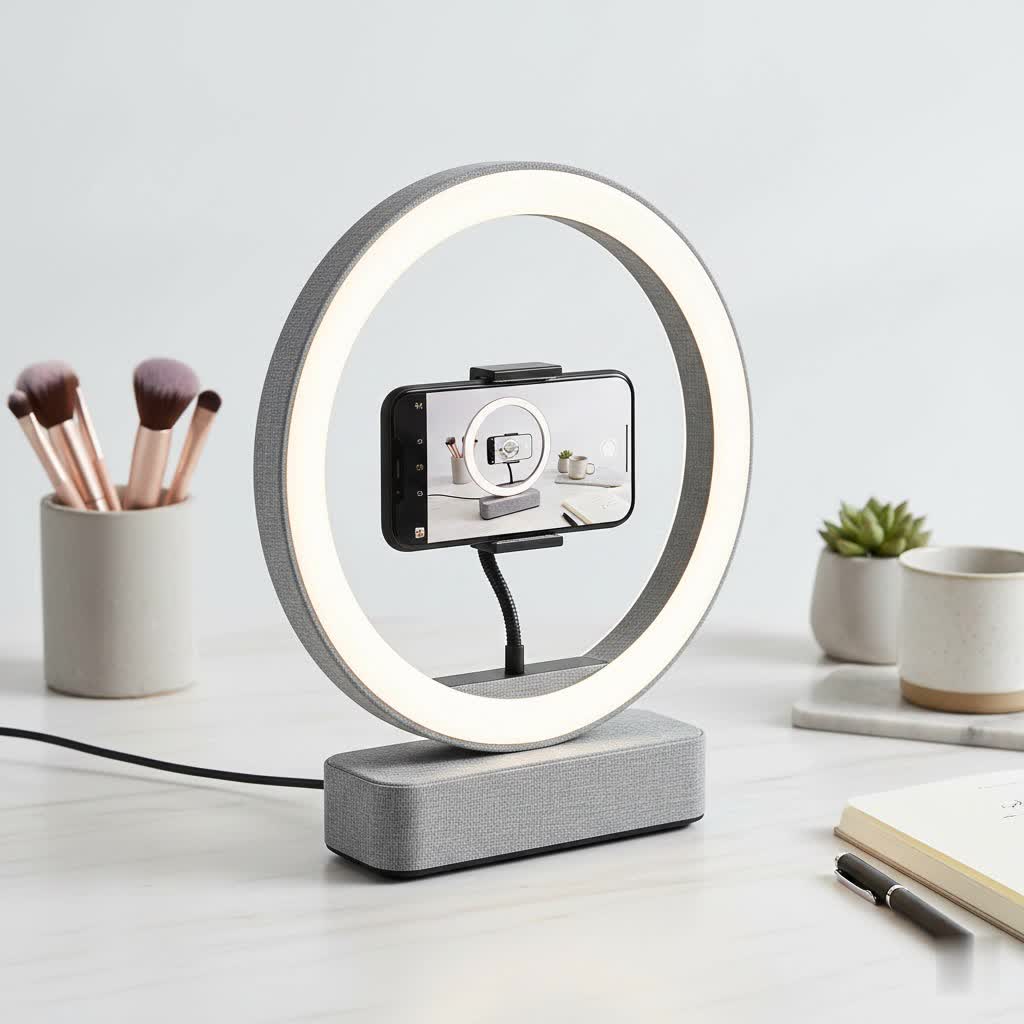
A ring light wall setup is simply a method of mounting your ring light directly onto a wall instead of using a traditional, and often cumbersome, tripod stand. This creates a fixed, dedicated lighting station that is always ready to go. It’s the kind of clean, efficient setup you see in professional studios and the homes of top-tier influencers, providing consistent results every single time you switch it on. By securing the light to a vertical surface, you not only save space but also add a layer of stability and professionalism to your environment, whether it’s a makeup vanity, a home office, or a dedicated recording corner.
The Game-Changing Benefits of a Wall Mount
Making the switch from a floor stand to a wall mount might seem like a small change, but the advantages are huge. It’s about working smarter, not harder, and creating an environment that fosters creativity instead of causing frustration.
- Ultimate Space Saver: This is the most obvious benefit. Tripod legs have a surprisingly large footprint, eating up valuable floor space. A wall mount reclaims that area, making your room feel larger and less cluttered.
- Unbeatable Consistency: Once your light is mounted, its position is set. This means you get the exact same flattering lighting angle for every video, selfie, or virtual meeting. No more fussing with adjustments and trying to replicate that “perfect spot.”
- Enhanced Stability and Safety: Say goodbye to the fear of accidentally knocking over your expensive equipment. A securely mounted ring light is stable and safe, protecting your gear and preventing accidents, especially in homes with pets or children.
- A Sleek, Professional Aesthetic: A wall-mounted light just looks better. It creates a clean, intentional, and professional-grade studio look that signals you take your work seriously.
How to Choose the Right Ring Light for Your Wall
Before you start drilling holes, it’s crucial to ensure you have the right gear. Not all ring lights are created equal when it comes to wall mounting.
Size and Weight Matter
|
Our Picks for the Best Ring Light in 2026
As an Amazon Associate I earn from qualifying purchases.
|
||
| Num | Product | Action |
|---|---|---|
| 1 | 10\" Selfie Ring Light with 73\" Tripod Stand & 1 Phone Holder, LED Camera Ringlight with 48 RGB Colors Modes & Musical Rhythm Mode and 12 Brightness Dimmable for TikTok/Makeup/Photography/Vlog |

|
| 2 | NEEWER Basics 10\" Selfie Ring Light with Tripod Stand/3 Phone Holders Compatible with iPhone/3 Cold Shoes/Remote, LED Ringlight Lighting for YouTube TikTok Vlog Video Recording Makeup Streaming, R11 |
|
| 3 | UBeesize 12\'\' Selfie Ring Light with 62’’ Tripod Stand for Video Recording, Live Streaming(YouTube, Instagram, TIK Tok), Compatible with Phones, Cameras and Webcams |
|
| 4 | Weilisi 10\" Ring Light with Stand 72\'\' Tall & Phone Holder,38 Color Modes Selfie Light with Tripod Stand,Stepless Dimmable/Speed LED Ring Light for iPhone & Android,YouTube, Makeup,TIK Tok |
|
| 5 | Aureday 14\'\' Selfie Ring Light with 62\'\' Tripod Stand and Phone Holder, Dimmable LED Phone Ringlight for Makeup/Video Recording/Photography, Circle Lighting for All Cell Phones&Lightweight Cameras |
|
| 6 | STALLY 10.2\" Ring Light with Stand, 75\" Tall Ring Light with Phone Holder and Wireless Remote, 12 Dimming Levels, 32 Color Modes Selfie Light Tripod for iPhone, Live Stream, Makeup, YouTube, TikTok |
|
| 7 | EMART 10\" Ring Light with 55\" Extendable Tripod Stands and Phone Holder, Dimmable LED Circle Round Light for Selfie Camera Photography/Makeup/YouTube Video/Vlogging/Live Streaming |
|
| 8 | Weilisi 12\'\' Ring Light with Stand 72\'\' Tall & 2 Phone Holders,38 Color Modes Selfie Light with Tripod Stand, Big LED Ring Light for iPhone/Android/Camera,YouTube,Makeup |
|
| 9 | Sensyne 10\'\' Ring Light with 50\'\' Extendable Tripod Stand, LED Circle Lights with Phone Holder for Live Stream/Makeup/YouTube Video/TikTok, Compatible with All Phones |
|
| 10 | Upgraded Ring Light for Laptop, Monitor, Desk & Phone – Eye-Caring LED Webcam Light with Screen-Safe Clip, Adjustable Monitor Mount, 50 Lighting Modes, Computer Light for Zoom, Streaming, Video Calls |
|
When mounting anything on a wall, weight is a primary concern. Lighter and smaller ring lights (typically 10-14 inches) are often easier and safer to mount than heavy 18-inch or larger models. Always check the weight of your ring light and ensure the mounting hardware you choose is rated to support it comfortably.
Check for Mount Compatibility
The vast majority of ring lights come with a standard 1/4″ screw thread at the base (the same kind found on cameras). This is what allows them to attach to tripods. You’ll need to make sure your chosen wall mount has a compatible 1/4″ screw to connect securely to your light.
Power Source and Cable Management
Think about where your power outlets are. If you have a wired ring light, you’ll need to mount it within reach of an outlet. This is also a good time to think about cable management. Using cable clips or a raceway will keep the power cord tidy and maintain that clean, professional look.
Your Step-by-Step Guide to Creating a Ring Light Wall
Ready to make it happen? There are several ways to approach mounting your ring light, from simple brackets to more flexible solutions. Here are the three most popular methods.
Method 1: The Standard Wall Mount Bracket
This is the most direct and secure method. It involves using a purpose-built camera or light wall mount bracket.
What You’ll Need:
- A wall mount bracket with a 1/4″ screw
- A drill with appropriate drill bits
- Screws and wall anchors (often included with the bracket)
- A level
- A pencil
Instructions:
- Find the Perfect Spot: Hold the ring light up to the wall to determine the ideal height. For portraits and video calls, a position slightly above eye level is usually most flattering.
- Mark Your Holes: Place the base of the bracket against the wall and use a level to ensure it’s straight. Mark the screw hole locations with a pencil.
- Drill Pilot Holes: Drill pilot holes where you made your marks. If you’re not drilling into a wall stud, gently tap your wall anchors into the holes until they are flush with the wall.
- Secure the Bracket: Align the bracket with the holes and use your drill or a screwdriver to fasten the screws, securing the bracket firmly to the wall.
- Attach the Ring Light: Screw your ring light onto the 1/4″ thread on the bracket until it is snug and secure.
Method 2: The Flexible Articulating Arm
For maximum versatility, an articulating arm (or boom arm) allows you to pull the light closer, push it away, and change the angle on the fly.
What You’ll Need:
- A wall-mounted articulating arm
- The same tools as for the standard bracket (drill, screws, level)
Instructions:
- Choose a Strong Mounting Point: Articulating arms exert more leverage on the wall, so it’s highly recommended to mount the base into a wall stud for maximum security.
- Install the Base: Follow the same steps as the standard bracket to mark, drill, and securely attach the arm’s base plate to the wall.
- Attach the Arm and Light: Connect the articulating arm sections and then screw the ring light onto the end.
- Test the Movement: Gently test the arm’s full range of motion to ensure it’s stable and provides the flexibility you need.
“Moving to a wall-mounted articulating arm was the best decision I made for my home studio,” says professional photographer Isabella Chen. “It gives me the freedom to create dynamic lighting setups in seconds without ever touching a tripod. The key is to invest in a quality arm and ensure it’s anchored properly to the wall.”
Method 3: The Simple Floating Shelf
A less common but creative DIY solution is to use a small floating shelf. This works best for smaller, lightweight ring lights that have a stable base.
What You’ll Need:
- A small floating shelf
- Tools for installing the shelf (drill, screws, level)
- A mini tripod or base for your ring light
Instructions:
- Install the Shelf: Securely install the floating shelf at your desired height, making sure it is perfectly level.
- Position the Light: Place your ring light, attached to a small, stable base or mini tripod, onto the shelf.
- Secure It: For added safety, consider using a strip of strong double-sided mounting tape or Velcro under the light’s base to prevent it from sliding off.
Frequently Asked Questions (FAQ)
Can any ring light be mounted on a wall?
Most can, as long as they have a standard 1/4″ screw thread for mounting. However, you must always check the light’s weight against the maximum capacity of the wall mount you intend to use.
How high should I mount my ring light?
The ideal height depends on your use case. For makeup application or vlogging while seated, the center of the ring should be slightly above your eye level to create a flattering catchlight and minimize shadows.
Will a wall mount damage my wall?
A wall mount will leave small screw holes. If you’re renting or concerned about damage, you can easily patch these small holes with spackle when you decide to remove the mount.
Are there wall-mounted ring lights that come with mirrors?
Yes, many companies now produce all-in-one vanity mirrors with built-in ring lights designed specifically for wall installation. These are an excellent option for a permanent makeup station.
It’s Time to Upgrade Your Space
Creating a ring light wall setup is more than just a clever space-saving hack; it’s an investment in efficiency, consistency, and a more professional workflow. By taking a little time to mount your light securely, you free yourself from the daily hassle of tripods and create a dedicated space that’s always perfectly lit and ready for action. Whether you’re a streamer, a makeup artist, or just want to look your best on video calls, this simple upgrade can make a world of difference.
