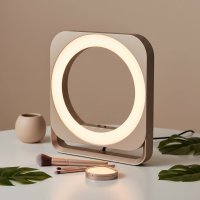
Ever taken a selfie or recorded a video only to be disappointed by shadows, weird color casts, or just plain bad lighting? You’re not alone. In a world dominated by visual content, from TikTok videos to professional Zoom calls, the quality of your lighting can make or break your image. This is where a ring light for phone becomes an essential tool, transforming your smartphone’s camera from a simple lens into a powerhouse for creating stunning, professional-looking content. It’s the secret weapon that content creators, makeup artists, and remote professionals swear by, and it’s more accessible than ever.
As someone who has spent over a decade working with professional lighting, I’ve seen how the right light can completely change the game. A ring light isn’t just about making things brighter; it’s about creating a specific quality of light that is flattering, even, and captivating. It eliminates harsh shadows, creates that iconic catchlight in the eyes, and gives your photos and videos a polished, high-quality look that’s difficult to achieve otherwise.
What Exactly is a Phone Ring Light?
A ring light for a phone is a circular lighting tool that clips onto your smartphone or holds it in a mount. Its primary job is to provide uniform, diffused light from the same axis as the camera lens. By positioning the light source around the lens, it illuminates your face evenly, minimizing shadows and blemishes. This creates a soft, flattering glow that enhances facial features, making it perfect for portraits, videos, and live streaming.
Think of it as a portable, personal studio light. Instead of relying on unpredictable natural light or harsh overhead room lighting, a ring light gives you complete control over your illumination, ensuring you look your best in any environment.
How to Choose the Perfect Ring Light for Your Phone
With so many options on the market, selecting the right ring light for phone can feel overwhelming. Let’s break down the key factors to consider to ensure you find the perfect match for your needs.
Size and Portability: Clip-On vs. Standalone
The first decision is between a small, portable clip-on model and a larger ring light on a tripod stand.
- Clip-On Ring Lights: These are small, lightweight, and designed to clip directly onto your phone. They are perfect for on-the-go use, quick selfies, or video calls from your laptop. Their main advantage is portability, as you can easily toss one in your bag. However, they are typically less powerful than their larger counterparts.
- Standalone Ring Lights with Tripods: These are larger rings (typically 10 to 18 inches in diameter) that come with an adjustable tripod stand and a phone mount in the center. They offer significantly more power, versatility, and stability, making them ideal for dedicated content creation, makeup tutorials, or professional vlogging setups.
Brightness and Color Temperature Control
|
Our Picks for the Best Ring Light in 2026
As an Amazon Associate I earn from qualifying purchases.
|
||
| Num | Product | Action |
|---|---|---|
| 1 | EMART 10\" Ring Light with 55\" Extendable Tripod Stands and Phone Holder, Dimmable LED Circle Round Light for Selfie Camera Photography/Makeup/YouTube Video/Vlogging/Live Streaming |

|
| 2 | UBeesize 12\'\' Selfie Ring Light with 62’’ Tripod Stand for Video Recording, Live Streaming(YouTube, Instagram, TIK Tok), Compatible with Phones, Cameras and Webcams |
|
| 3 | Upgraded Ring Light for Laptop, Monitor, Desk & Phone – Eye-Caring LED Webcam Light with Screen-Safe Clip, Adjustable Monitor Mount, 50 Lighting Modes, Computer Light for Zoom, Streaming, Video Calls |
|
| 4 | Aureday 14\'\' Selfie Ring Light with 62\'\' Tripod Stand and Phone Holder, Dimmable LED Phone Ringlight for Makeup/Video Recording/Photography, Circle Lighting for All Cell Phones&Lightweight Cameras |
|
| 5 | STALLY 10.2\" Ring Light with Stand, 75\" Tall Ring Light with Phone Holder and Wireless Remote, 12 Dimming Levels, 32 Color Modes Selfie Light Tripod for iPhone, Live Stream, Makeup, YouTube, TikTok |
|
| 6 | Weilisi 12\'\' Ring Light with Stand 72\'\' Tall & 2 Phone Holders,38 Color Modes Selfie Light with Tripod Stand, Big LED Ring Light for iPhone/Android/Camera,YouTube,Makeup |
|
| 7 | 10\" Selfie Ring Light with 73\" Tripod Stand & 1 Phone Holder, LED Camera Ringlight with 48 RGB Colors Modes & Musical Rhythm Mode and 12 Brightness Dimmable for TikTok/Makeup/Photography/Vlog |
|
| 8 | NEEWER Basics 10\" Selfie Ring Light with Tripod Stand/3 Phone Holders Compatible with iPhone/3 Cold Shoes/Remote, LED Ringlight Lighting for YouTube TikTok Vlog Video Recording Makeup Streaming, R11 |
|
| 9 | Weilisi 10\" Ring Light with Stand 72\'\' Tall & Phone Holder,38 Color Modes Selfie Light with Tripod Stand,Stepless Dimmable/Speed LED Ring Light for iPhone & Android,YouTube, Makeup,TIK Tok |
|
| 10 | Sensyne 10\'\' Ring Light with 50\'\' Extendable Tripod Stand, LED Circle Lights with Phone Holder for Live Stream/Makeup/YouTube Video/TikTok, Compatible with All Phones |
|
Control is everything when it comes to lighting. Look for a ring light that offers adjustable settings.
- Brightness Levels: A good ring light should have multiple brightness settings. This allows you to adapt to different ambient lighting conditions, from a dimly lit room to a bright, sunny day where you just need a little fill light to soften shadows.
- Color Temperature: This refers to the warmth or coolness of the light, measured in Kelvin (K). Many phone ring lights offer three standard modes: warm light (around 3000K), cool light (around 5500K), and a neutral or mixed light. This versatility lets you match the light to your environment or create a specific mood for your content.
“The ability to adjust both brightness and color temperature is non-negotiable,” says professional photographer Olivia Chen. “It’s the difference between a generic, flat image and a dynamic, professional shot. You need to be able to match your key light to the ambient light for a natural look.”
Power Source: Battery vs. USB
How your ring light is powered affects its portability and convenience.
- Battery-Powered: Clip-on models are almost always powered by a built-in rechargeable battery. This is great for portability, but you’ll need to remember to keep it charged. Check the battery life specifications to ensure it meets your usage needs.
- USB-Powered: Larger ring lights typically draw power via a USB cable. This provides consistent, long-lasting power, but it does mean you need to be near a power source like a wall adapter, power bank, or laptop. This is perfect for a home studio setup.
Pro Tips for Using Your Phone Ring Light
Once you have your ring light for phone, how do you use it to its full potential? It’s more than just turning it on and pointing it at your face.
Finding the Right Angle and Distance
The position of your ring light is crucial. For that classic, shadowless look, position the camera in the center of the ring and have the light directly in front of you. However, don’t be afraid to experiment. Moving the light slightly to the side can create soft, subtle shadows that add depth and dimension to your face. The distance also matters; moving the light closer will make it appear softer and larger, while moving it farther away will create a harder, more defined light.
Setting the Right Brightness
Don’t just crank the brightness up to 100% and call it a day. The goal is to supplement, not overpower, the existing light.
- Assess Your Environment: Are you in a dark room or a bright one?
- Start Low: Set the ring light to its lowest brightness setting.
- Gradually Increase: Slowly increase the brightness until your face is well-lit and shadows are softened, but the look remains natural. The light should illuminate you without looking artificial or blowing out the highlights on your skin.
Using Color Temperature Creatively
Matching the color temperature to your environment creates the most natural look. Use the warm setting in cozy, lamp-lit rooms and the cool setting to match daylight. But you can also use these modes to set a mood. A warm light can feel inviting and intimate, while a cool light can feel more energetic and professional.
Frequently Asked Questions (FAQ)
What is the best size ring light for a phone?
For general use like selfies and video calls, a 10-inch ring light is a fantastic starting point. It’s large enough to provide soft, flattering light without being too bulky. For more professional video or portrait work, consider an 18-inch model for even softer, more comprehensive coverage.
Can a ring light damage your eyes?
When used correctly, a quality LED ring light is safe. Most are designed to produce diffused light that is not intensely focused. However, you should avoid staring directly into the light at maximum brightness for extended periods. Position it so it illuminates you without causing discomfort.
Does a ring light make you look better?
Yes, a ring light is specifically designed to make you look better on camera. By providing even, frontal illumination, it smooths out skin tone, reduces the appearance of wrinkles and blemishes, and creates a pleasing catchlight in your eyes that makes them look bright and vibrant.
Can I use a ring light for more than just my phone?
Absolutely. While they are perfect for phones, many larger ring lights with tripods can also be used with webcams and even smaller DSLR or mirrorless cameras, making them a versatile addition to any creator’s toolkit.
Is a ring light worth it for Zoom calls?
Definitely. In the age of remote work, proper lighting on video calls makes you look more professional and engaged. A ring light ensures you are clearly visible and well-lit, regardless of your home office environment.
The Final Takeaway
A ring light for phone is a simple, affordable, and incredibly effective tool for anyone looking to improve their photo and video quality. It gives you the power to control your lighting, ensuring you always look your best whether you’re creating content, attending a virtual meeting, or simply capturing a great selfie. By choosing a light with the right size, features, and adjustability for your needs, you unlock a new level of quality for your smartphone camera. So go ahead, step into the light, and see the difference for yourself.
Get our weekly buyer guide
Practical specs, not advice. Unsubscribe anytime.