In the world of content creation and professional photography, the quest for perfect lighting is endless. While standard ring lights have become a staple for everyone from vloggers to makeup artists, there comes a point when bigger is genuinely better. If you’ve ever wondered what the biggest ring light is and if you actually need one, you’ve come to the right place. As a lighting professional with over a decade of experience, I’m here to illuminate the world of massive ring lights and help you decide if it’s time to super-size your setup.
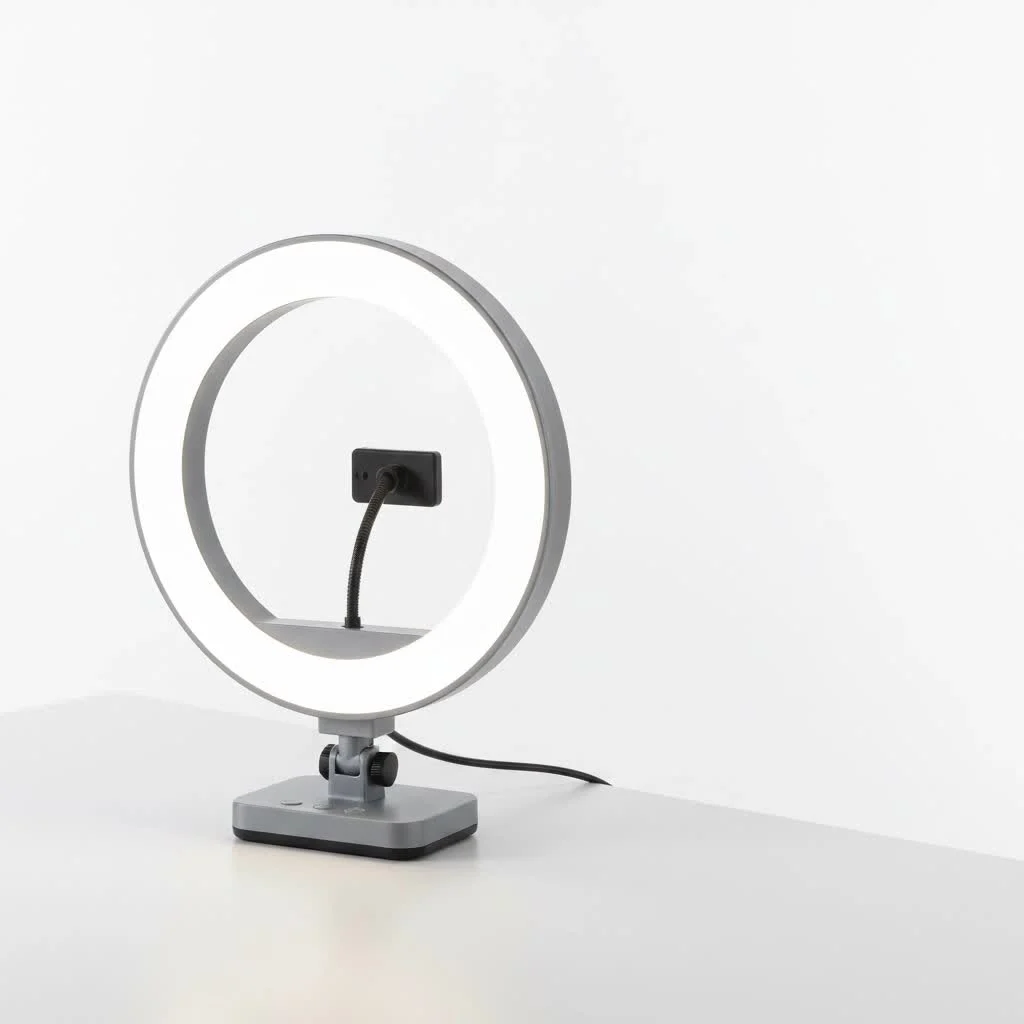
Why Go Big? The Advantages of a Larger Ring Light
A common misconception is that all ring lights are the same, but size dramatically changes the quality and application of the light. While a 12-inch ring light is perfect for headshots and Zoom calls, an extra-large model offers a completely different set of benefits.
The fundamental principle is simple: the larger the light source relative to the subject, the softer the light. A massive ring light acts like a giant, soft window, wrapping your subject in a flattering glow that minimizes harsh shadows. This is a game-changer for creating professional-grade portraits and videos.
Key Benefits of a Giant Ring Light:
- Superior Light Softness: Large-diameter lights produce incredibly soft and diffused illumination, which is more forgiving on skin textures and creates a high-end, polished look.
- Full-Body and Group Coverage: This is where the biggest ring lights truly shine. Trying to light a full-body outfit shot or a group of people with a small light is a recipe for uneven lighting and distracting shadows. A large ring light can illuminate multiple subjects or a person from head to toe with consistent, beautiful light.
- Dramatic, Eye-Catching Catchlights: The signature circular catchlight in a subject’s eyes becomes larger and more pronounced with a bigger ring light, creating a captivating and professional effect that draws viewers in.
- Unmatched Versatility: A giant ring light can serve as a powerful key light for large scenes, a fill light to soften shadows created by other sources, or even be angled for dramatic product photography.
Sizing Up: Just How Big Can a Ring Light Get?
In the consumer market, an 18-inch or 22-inch ring light is often considered large. Brands like Neewer and Lume Cube offer excellent 18-inch models that are a significant step up from smaller desktop versions. They provide ample light for most single-person vlogging, streaming, and portrait work.
However, the professional world pushes the boundaries much further. The title for the biggest ring light commercially available often goes to models designed for studios, events, and commercial shoots. One of the most impressive examples is the Spectrum Aurora Max, which boasts a staggering 47-inch (or 120cm) diameter. A light of this magnitude isn’t just an accessory; it’s a centerpiece lighting solution capable of handling demanding professional scenarios with ease.
Who Actually Needs the Biggest Ring Light?
A 47-inch ring light is certainly not for everyone. Its size and power are tailored for specific applications where smaller lights just can’t keep up.
“When you move to a large-diameter ring light, you’re not just getting more light; you’re getting a different quality of light,” says professional photographer Alex Dawson. “It’s about creating a broad, soft source that can rival a softbox but with that signature ring light catchlight. It’s an essential tool for my fashion and full-body portrait work.”
You should consider an oversized ring light if you are a:
|
Our Picks for the Best Ring Light in 2026
As an Amazon Associate I earn from qualifying purchases.
|
||
| Num | Product | Action |
|---|---|---|
| 1 | Weilisi 10\" Ring Light with Stand 72\'\' Tall & Phone Holder,38 Color Modes Selfie Light with Tripod Stand,Stepless Dimmable/Speed LED Ring Light for iPhone & Android,YouTube, Makeup,TIK Tok |

|
| 2 | Aureday 14\'\' Selfie Ring Light with 62\'\' Tripod Stand and Phone Holder, Dimmable LED Phone Ringlight for Makeup/Video Recording/Photography, Circle Lighting for All Cell Phones&Lightweight Cameras |
|
| 3 | STALLY 10.2\" Ring Light with Stand, 75\" Tall Ring Light with Phone Holder and Wireless Remote, 12 Dimming Levels, 32 Color Modes Selfie Light Tripod for iPhone, Live Stream, Makeup, YouTube, TikTok |
|
| 4 | UBeesize 12\'\' Selfie Ring Light with 62’’ Tripod Stand for Video Recording, Live Streaming(YouTube, Instagram, TIK Tok), Compatible with Phones, Cameras and Webcams |
|
| 5 | 10\" Selfie Ring Light with 73\" Tripod Stand & 1 Phone Holder, LED Camera Ringlight with 48 RGB Colors Modes & Musical Rhythm Mode and 12 Brightness Dimmable for TikTok/Makeup/Photography/Vlog |
|
| 6 | Sensyne 10\'\' Ring Light with 50\'\' Extendable Tripod Stand, LED Circle Lights with Phone Holder for Live Stream/Makeup/YouTube Video/TikTok, Compatible with All Phones |
|
| 7 | Weilisi 12\'\' Ring Light with Stand 72\'\' Tall & 2 Phone Holders,38 Color Modes Selfie Light with Tripod Stand, Big LED Ring Light for iPhone/Android/Camera,YouTube,Makeup |
|
| 8 | NEEWER Basics 10\" Selfie Ring Light with Tripod Stand/3 Phone Holders Compatible with iPhone/3 Cold Shoes/Remote, LED Ringlight Lighting for YouTube TikTok Vlog Video Recording Makeup Streaming, R11 |
|
| 9 | Upgraded Ring Light for Laptop, Monitor, Desk & Phone – Eye-Caring LED Webcam Light with Screen-Safe Clip, Adjustable Monitor Mount, 50 Lighting Modes, Computer Light for Zoom, Streaming, Video Calls |
|
| 10 | EMART 10\" Ring Light with 55\" Extendable Tripod Stands and Phone Holder, Dimmable LED Circle Round Light for Selfie Camera Photography/Makeup/YouTube Video/Vlogging/Live Streaming |
|
- Fashion and Portrait Photographer: Capturing full-length outfits or creating buttery-soft headshots requires a broad light source.
- Commercial Videographer: Lighting multiple people for an interview or illuminating a wider scene for a product commercial is made simple with a giant ring light.
- Event Organizer: Large ring lights are perfect for creating high-quality, interactive photo booths at weddings, parties, and corporate events.
- High-End Content Creator: If you produce professional tutorials, masterclasses, or workshops that involve more than just a head-and-shoulders frame, a large light provides studio-quality results.
Key Features to Look for in an Extra-Large Ring Light
When you’re investing in a professional-grade, big ring light, the diameter is just the starting point. You need to ensure the supporting features can handle the size and power.
Technical Specifications Checklist:
- Power and Brightness (Lumens): Look for high output that is fully dimmable. The ability to control brightness from 1% to 100% is crucial for dialing in the perfect exposure.
- Adjustable Color Temperature: A bi-color range, typically from a warm 3200K to a cool 5600K or more, is non-negotiable. This allows you to match the ambient light of any environment, from indoor tungsten lamps to natural daylight.
- High Color Rendering Index (CRI): A CRI of 95+ ensures that the colors of your subject—be it skin tones, makeup, or clothing—are rendered accurately and naturally.
- Robust Stand and Mount: A massive ring light requires an equally massive support system. Look for kits that include heavy-duty, stable light stands (often two are needed for the largest models) to prevent any wobbling or tipping.
- Power Source: Forget batteries. The biggest ring lights are power-hungry and rely on a stable AC power adapter to deliver consistent, flicker-free light for long shooting sessions.
Frequently Asked Questions (FAQ)
Is a bigger ring light always better?
Not necessarily. The best ring light is the one that fits your specific needs. For simple video calls or headshots at a desk, a 10 or 12-inch light is sufficient and more manageable. A bigger ring light is better when you need to light a larger area, a bigger subject (like a full-body shot), or want exceptionally soft light.
What is the best size ring light for full-body shots?
For full-body shots, you should look for a ring light that is at least 18 inches in diameter. For truly professional and even coverage from head to toe, a 24-inch model or larger is ideal, as it will cast a wider, softer light that minimizes harsh shadows around the feet.
How do you position a large ring light?
For the classic shadowless look, place the camera in the center of the ring and position the light directly in front of your subject. To create more dimension and subtle shadows, move the ring light slightly off to one side (about 45 degrees) and raise it just above eye level, similar to how you would position a traditional key light.
Can you use the biggest ring light for streaming?
Absolutely! While it might be overkill for a tight shot of just your face, it’s perfect for streamers who have a wider set, want to show off more of their room, or desire a super-soft, flattering light that is easy on the eyes during long sessions.
The Final Verdict
The world of oversized lighting opens up a new realm of creative possibilities. While the biggest ring light isn’t a necessary purchase for the casual user, it is an invaluable asset for professionals and serious creators who demand the highest quality of light. By providing unparalleled softness, extensive coverage, and a stunning visual impact, these giant illuminators can elevate your photos and videos from good to absolutely brilliant. Before you make the investment, assess your primary needs—if you’re lighting more than just your face, it might be time to think big.
Get our weekly buyer guide
Practical specs, not advice. Unsubscribe anytime.
As a vlogger, I can’t stress enough how important good lighting is. I used to struggle with getting consistent light for my product reviews, but after getting a bigger ring light, everything changed. The broader spread of light makes my videos look so much more polished and professional. It’s truly a game-changer for anyone doing close-up work.
I finally upgraded to a bigger ring light after using a small 12-inch one for ages, and wow, what a difference! My makeup tutorials look so much more professional now. The even lighting really helps eliminate shadows, which was a huge problem with my old setup. Definitely worth the investment if you’re serious about content creation.
This guide really helped me understand why going big with a ring light makes sense. I was on the fence, but the explanation about how size impacts light quality convinced me. I’ve been using a larger model for my live streams, and the difference in how my face is illuminated is incredible. No more harsh shadows or uneven lighting!
I got one of the larger ring lights for my photography studio, hoping it would be a game-changer. While the light quality is good and it does cover a wider area, it’s a bit cumbersome to move around. It takes up a lot of space, and setting it up for different shots can be a hassle. I wish it was a bit more portable for its size.